Lahaye Plumbing: 7 Signs Your Water Heater May Need Repair or Replacement Most homeowners don’t think much about their water heater until

A small bathroom leak can be easy to ignore. A faucet drips occasionally, a little water appears near the toilet, or the shower seems to drain more slowly than it used to. If everything still works, you may assume the problem can wait.
Unfortunately, plumbing problems don’t always stay small.
Bathrooms contain numerous water connections, fixtures, supply lines, valves, and drains. A leak that appears minor from the outside may be allowing water into cabinets, flooring, walls, or other areas you cannot easily see.
Knowing when to call a plumber for a bathroom leak can help you address the source before additional damage occurs.
Bathrooms are among the most frequently used areas of a home, so normal wear eventually affects plumbing fixtures and components.
Some problems are obvious, while others develop gradually.
Common bathroom plumbing problems include:
Seeing one of these problems doesn’t automatically mean you’re facing a major plumbing repair. It does mean you should determine why it’s happening.
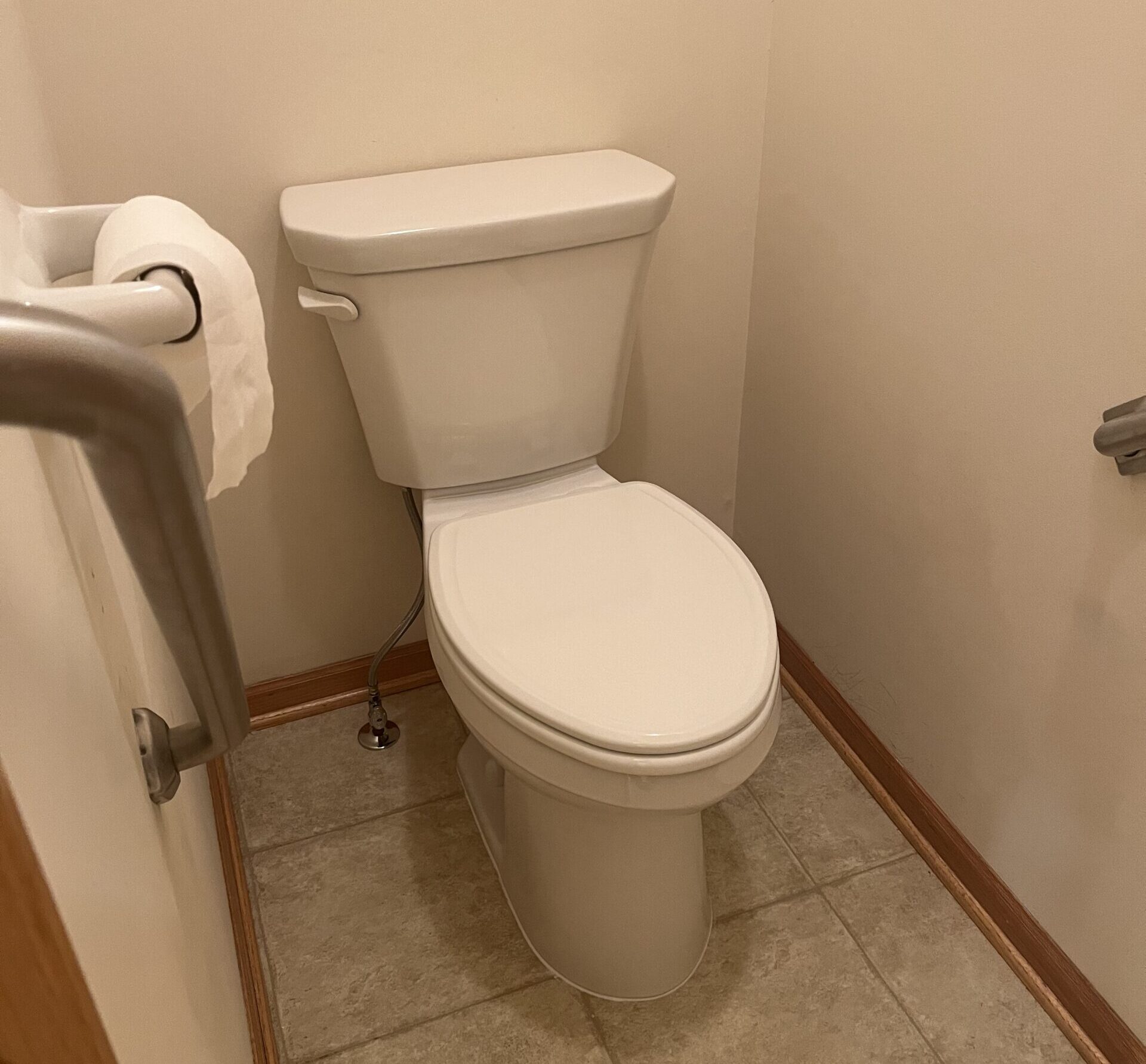
If water repeatedly appears around the base of your toilet, don’t assume it’s simply water from the shower or condensation.
A toilet has multiple locations where a leak can potentially develop. The supply line, shutoff valve, tank components, and seal around the toilet can all be possible sources.
Wipe the area dry and see whether the water returns. If it does, a plumber can determine where it’s coming from.
Water that repeatedly reaches the floor can eventually affect flooring and materials underneath the toilet, making early diagnosis important.
A toilet that continues running after it has been flushed may seem more annoying than serious, but it can waste water.
The problem often involves one or more components inside the toilet tank.
These can include the:
Sometimes a simple adjustment solves the problem. In other cases, worn components need replacement.
If your toilet periodically turns itself on even when nobody has used it, water may be slowly escaping from the tank.
An occasional drop left on a faucet after use is normal. A faucet that continuously drips when fully turned off isn’t.
Faucets contain seals and moving components that wear with use. Depending on the fixture, the cause could involve a cartridge, washer, O-ring, valve, or another internal component.
A dripping faucet isn’t just irritating. It can also waste water over time.
If you have to force the handle tightly closed to stop the dripping, consider having the fixture inspected rather than continually applying more pressure to it.
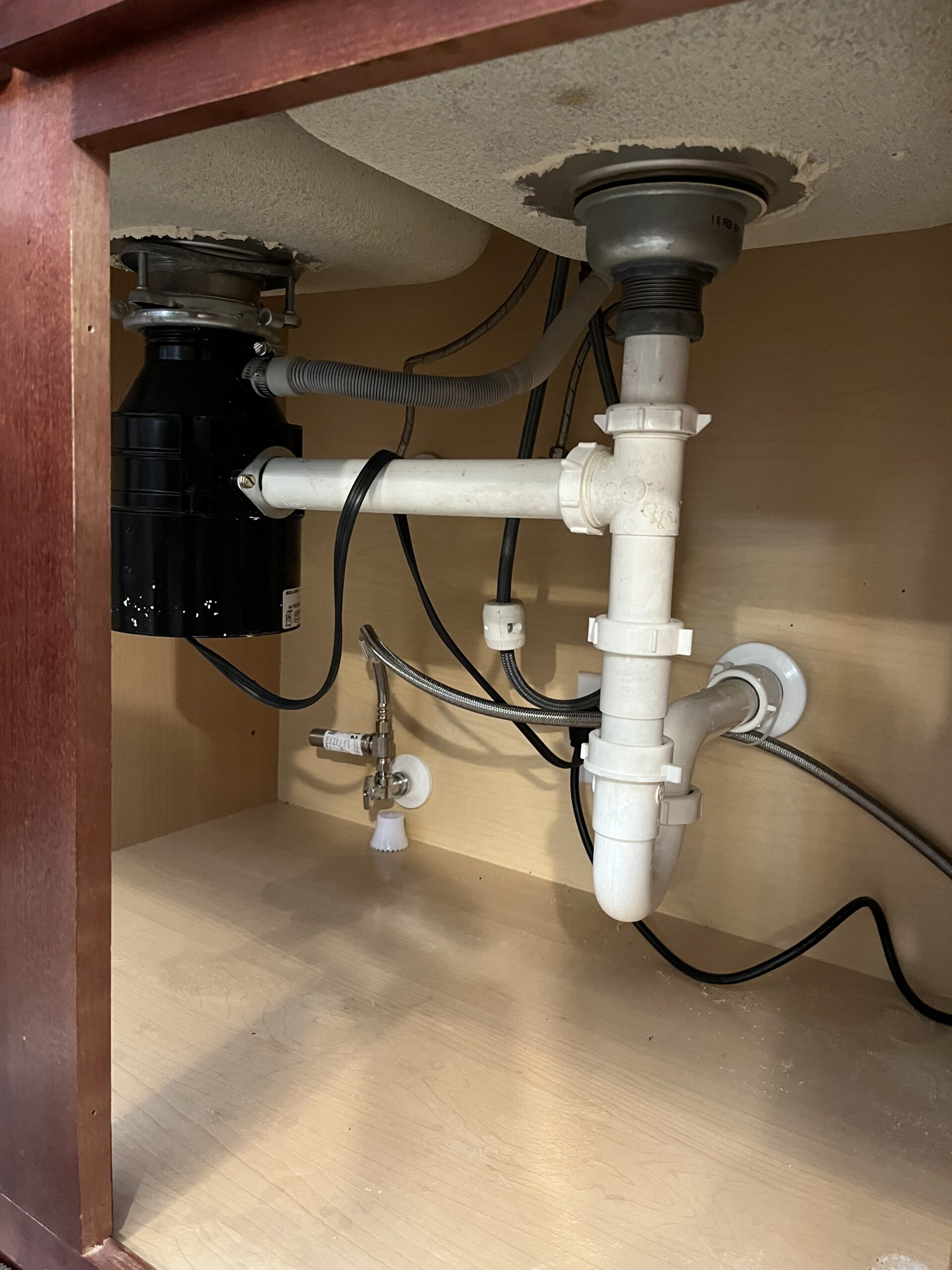
Bathroom drains frequently collect hair, soap residue, personal care products, and other debris.
The first symptom may simply be water taking longer to disappear.
Over time, you may notice standing water in the shower or sink, unpleasant drain odors, or a drain that stops working altogether.
A single slow drain may indicate a localized blockage. If several fixtures are draining slowly at the same time, the problem could involve a larger portion of the drainage system.
Not every plumbing leak creates a puddle.
Some of the more important warning signs appear away from the actual pipe or fixture.
Look for changes such as:
These symptoms deserve attention because water can travel before it becomes visible.
Simply repairing or repainting the damaged surface doesn’t solve the problem if plumbing is still leaking behind it.
A noticeable change in water pressure can have several explanations.
If only one faucet has low pressure, the problem may be limited to that fixture. Mineral buildup or a fixture component could be restricting water flow.
If several fixtures suddenly have pressure problems, further investigation may be appropriate.
A plumber can determine whether the issue involves the fixture, valve, supply piping, or another part of the plumbing system.
Not every leaking faucet or troublesome toilet needs to be replaced.
If the fixture is relatively new and replacement parts are readily available, repair may be the most practical option.
Replacement becomes more attractive when a fixture is older, damaged, inefficient, difficult to repair, or already experiencing repeated problems.
Homeowners may also choose replacement when:
A plumber can explain whether the problem appears repairable before you invest in a completely new fixture.
The best time to address a bathroom plumbing problem is usually before water begins causing damage elsewhere.
A dripping faucet, running toilet, slow drain, or small leak may not require a major repair. Identifying the problem early simply gives you more options.
If something in your bathroom doesn’t look, sound, or operate normally, LaHaye Plumbing can inspect the problem and recommend an appropriate solution.
Contact LaHaye Plumbing for bathroom plumbing repairs, fixture installation, leak diagnosis, and other bathroom plumbing services.
Lahaye Plumbing: 7 Signs Your Water Heater May Need Repair or Replacement Most homeowners don’t think much about their water heater until
Lahaye Plumbing: Why Is My Water Pressure Low? Low water pressure can turn simple everyday tasks into a hassle. Maybe your shower