Lahaye Plumbing: 7 Signs Your Water Heater May Need Repair or Replacement Most homeowners don’t think much about their water heater until
Plumbing problems have a habit of appearing when they’re least convenient.
A faucet begins leaking before guests arrive. A drain suddenly stops working. Water pressure changes without explanation. Sometimes the problem is obvious, but many plumbing issues require more than replacing a simple fixture.
Knowing when to call a professional plumber can help homeowners avoid turning a manageable repair into a more complicated plumbing problem.
A home’s plumbing system includes supply piping, drainage, valves, fixtures, and mechanical components that work together.
When one part isn’t operating correctly, symptoms may appear somewhere else.
Common reasons homeowners call a plumber include:
The important question isn’t simply whether something is broken. It’s determining why it happened.
A visible dripping pipe makes the source relatively easy to identify. Hidden leaks can be more difficult.
Water may travel behind drywall, underneath flooring, through cabinets, or along pipes before becoming visible.
Homeowners should pay attention to unexplained changes around the house.
A water stain that continues growing, a cabinet that remains damp, or a sudden musty odor could indicate moisture somewhere nearby.
Other possible warning signs include bubbling paint, warped materials, unexplained water usage, or sounds of running water when fixtures aren’t being used.
Consistent water pressure is something most homeowners don’t think about until it changes.
If one faucet has weak flow, the problem may be limited to the fixture. If pressure has changed throughout the house, a larger plumbing issue could be involved.
Potential causes can vary significantly, which is why diagnosing pressure problems requires looking at the overall system.
A plumber may evaluate valves, fixtures, supply piping, and other components to determine where the restriction or pressure issue originates.
An occasional clogged sink isn’t unusual.
A drain that becomes clogged repeatedly deserves more attention.
If several drains begin slowing down around the same time, the problem may not be located directly underneath one sink.
Watch for:
These symptoms can provide valuable information about where a drainage issue may be occurring.
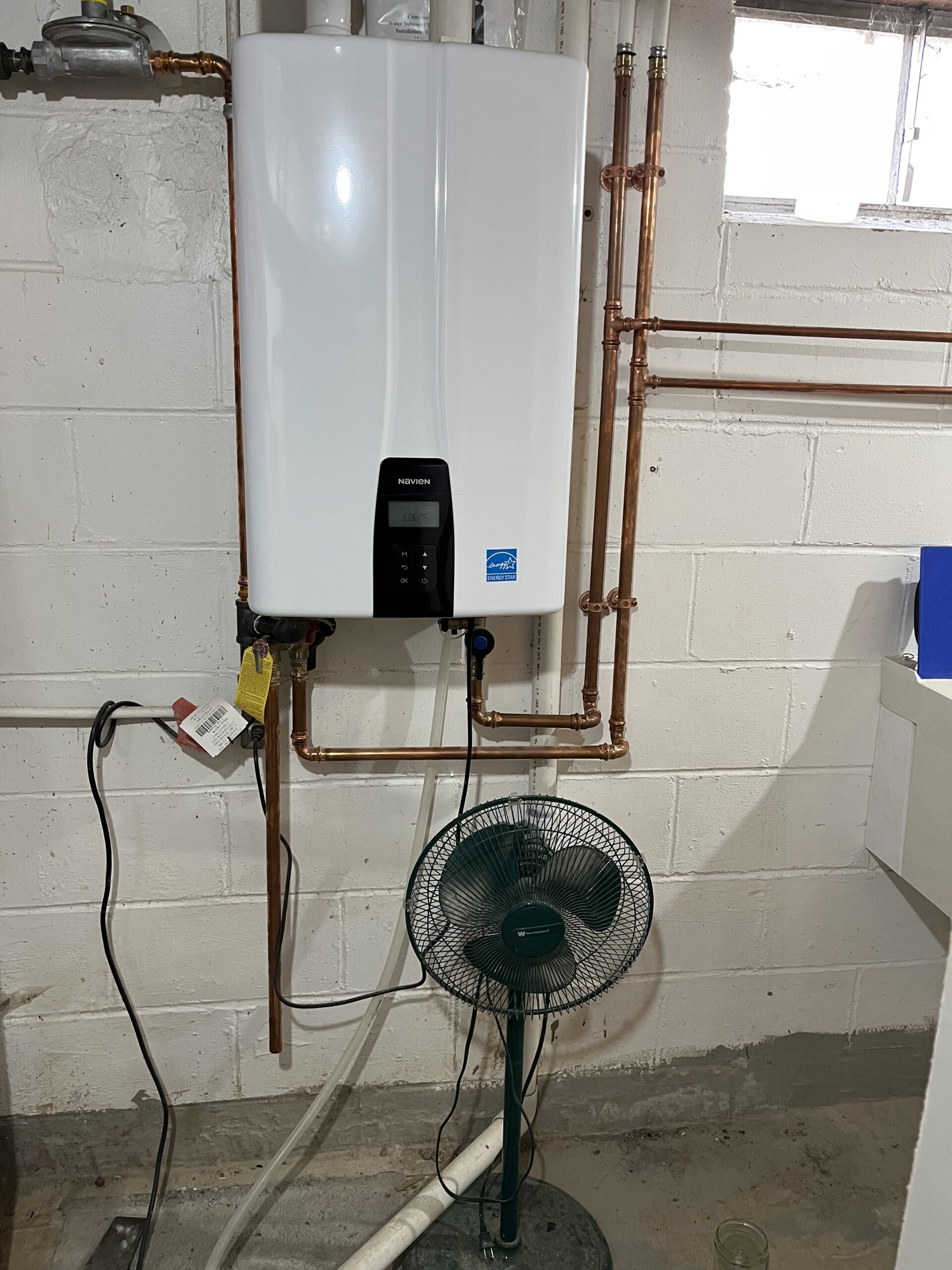
Many homes contain plumbing-related mechanical equipment that homeowners depend on every day.
These systems have valves, connections, piping, and other components that can eventually need professional attention.
Rather than waiting until a mechanical plumbing component completely stops working, pay attention to changes in performance.
Unusual noises, leaks, inconsistent operation, corrosion around connections, or visible deterioration are all good reasons to investigate.
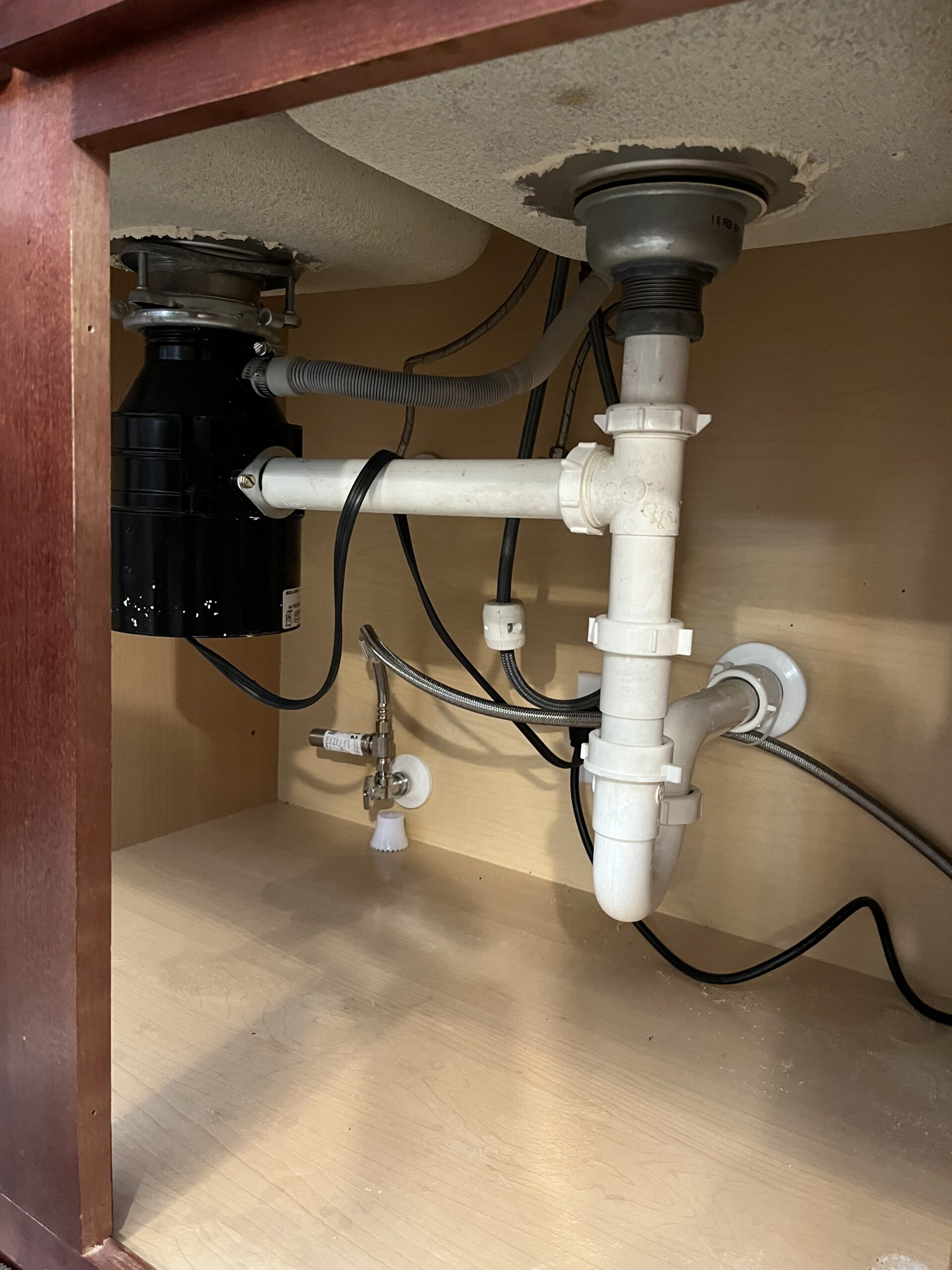
Some plumbing components stay hidden underneath sinks, behind toilets, or near appliances for years.
Because they’re rarely touched, homeowners may not notice deterioration until water appears.
Periodically look underneath sinks and around accessible plumbing connections.
You don’t need to disassemble anything. Simply checking for moisture, corrosion, staining, or dripping can help you catch obvious problems earlier.
Areas worth occasionally checking include:
Finding moisture doesn’t necessarily tell you the cause, but it gives you a reason to have the area evaluated.
Your plumbing doesn’t have to be completely silent, but new or unusual noises are worth noticing.
Banging, rattling, gurgling, whistling, or continuously running water can indicate different plumbing conditions.
The sound alone isn’t enough to diagnose the problem.
Pay attention to when it happens. Does the noise occur after flushing a toilet? When the washing machine runs? When you turn off a faucet?
That information can help a plumber narrow down the cause.
Not every plumbing repair requires immediate emergency service.
However, uncontrolled water can cause damage quickly.
If a pipe is actively releasing a significant amount of water, shutting off the appropriate water supply—when it can be done safely—and contacting a plumber should be a priority.
Situations that deserve faster attention may include major active leaks, overflowing fixtures that cannot be stopped, significant water intrusion, or other problems that threaten the property.
You don’t need to inspect every pipe in your home every week.
Simply knowing what normal plumbing looks and sounds like makes it easier to notice changes.
Don’t ignore repeated symptoms simply because they temporarily disappear.
A clog that returns every month, a valve that occasionally drips, or water pressure that continues getting worse is telling you something about the plumbing system.
Plumbing problems range from straightforward fixture repairs to issues involving multiple parts of the home’s water and drainage systems.
The best solution starts with correctly identifying the cause.
LaHaye Plumbing provides professional plumbing services for homeowners dealing with leaks, drains, fixtures, mechanical plumbing, installations, and other plumbing needs.
If something in your plumbing system isn’t operating correctly, contact LaHaye Plumbing to have the problem inspected and discuss your repair options.
Lahaye Plumbing: 7 Signs Your Water Heater May Need Repair or Replacement Most homeowners don’t think much about their water heater until
Lahaye Plumbing: Why Is My Water Pressure Low? Low water pressure can turn simple everyday tasks into a hassle. Maybe your shower