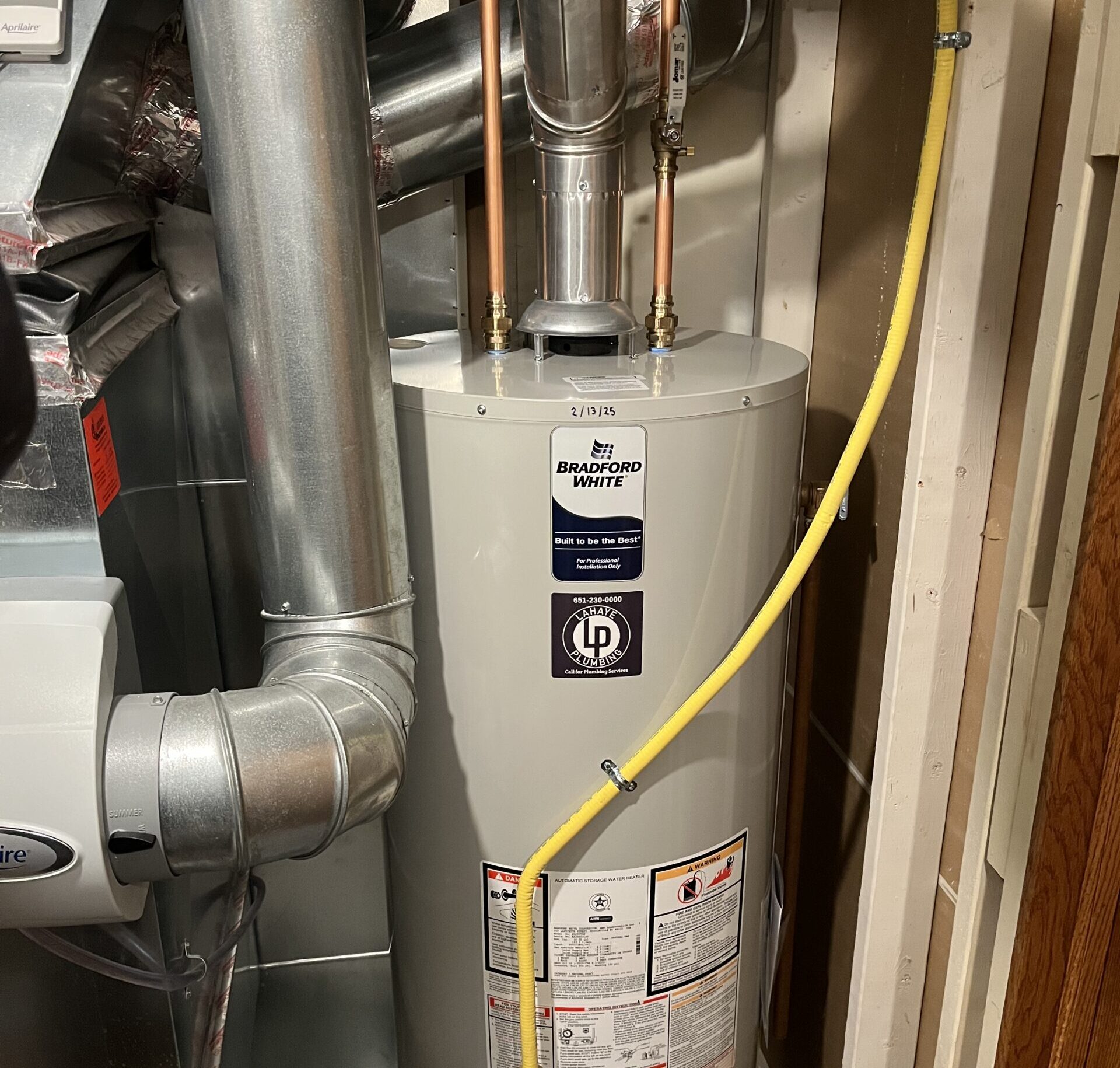
Lahaye Plumbing: 7 Signs Your Water Heater May Need Repair or Replacement Most homeowners don’t think much about their water heater until
Natural gas is used in many homes for heating, cooking, water heating, fireplaces, dryers, and other appliances.
When the system is functioning correctly, homeowners may rarely think about the gas lines supplying those appliances.
A suspected gas leak is different from an ordinary plumbing inconvenience. Potential gas leaks can create serious safety hazards and should be treated accordingly.
Knowing the signs of a gas line problem and understanding what to do can help you respond appropriately.
Natural gas is naturally odorless, but utilities add an odorant to make leaks easier to detect.
People often describe the resulting smell as similar to rotten eggs or sulfur.
Other potential warning signs around gas equipment or piping can include:
A suspected leak isn’t something homeowners should attempt to diagnose by experimenting with appliances or connections.
If you strongly suspect a gas leak, prioritize safety.
Leave the affected area and follow the emergency guidance provided by your gas utility and local authorities. Contact the appropriate emergency or utility service from a safe location.
Avoid actions that could create an ignition source.
Do not stay inside trying to locate the exact leak yourself.
Once the immediate safety concern has been handled and the appropriate authorities or utility have determined it is safe to proceed, qualified professionals can address necessary repairs.
Gas piping and connections can develop problems for several reasons.
Age, corrosion, physical damage, installation issues, remodeling work, and problems around appliance connections can all potentially affect a system.
Gas line work should be taken seriously because the consequences of improper installation or repair can be much greater than a dripping water connection.
If you see visible damage or have concerns about existing gas piping, have it professionally evaluated.
Gas line services aren’t only for repairs.
Homeowners may need new or modified gas piping when installing or relocating certain appliances.
Depending on the home and equipment, gas service may be required for:
Installing an appliance isn’t simply a matter of placing it in the room.
The gas supply must be appropriately planned and connected for the equipment.
Remodeling can sometimes require gas lines to be relocated or modified.
For example, a homeowner redesigning a kitchen may want to move a gas range to a different wall. Another homeowner may be remodeling a laundry room and relocating a gas dryer.
These decisions should be discussed early in the project.
Moving the appliance means its utility connections may need to move as well.
Planning before walls, cabinets, flooring, and finishes are completed can prevent unnecessary complications.
Gas piping isn’t an area where homeowners should improvise.
Proper materials, connections, sizing, routing, testing, and applicable code requirements all matter.
Professional gas line service helps ensure the work is appropriate for the intended application.
A qualified professional can evaluate factors such as:
The exact needs depend on the property and appliance.
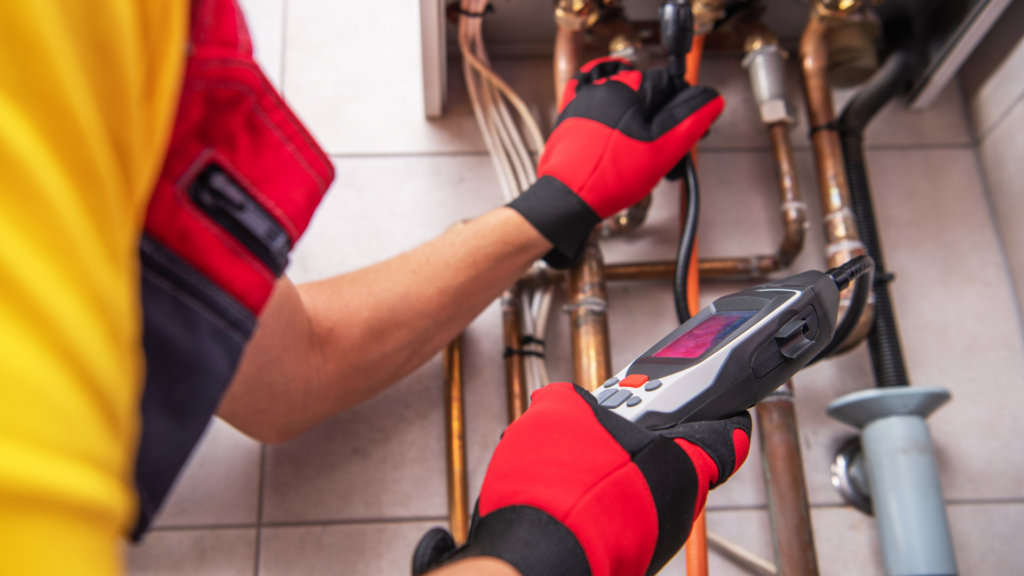
If you’re concerned about the condition of existing gas piping, especially during remodeling or appliance replacement, having it evaluated can be worthwhile.
You may notice corrosion, physical damage, unusual appliance behavior, or another condition that raises questions.
Don’t disturb questionable gas piping simply to see whether it is secure.
Have someone qualified to work on gas lines inspect it.
If a gas appliance stops operating correctly, that doesn’t automatically mean the supply line has failed.
The appliance itself could have a problem.
Likewise, a functioning appliance doesn’t mean you should ignore a strong gas odor or other obvious warning sign.
The safest approach is to treat potential gas leaks seriously and have the appropriate professionals determine the source.
Professional gas line work may be needed during several types of home projects.
Common reasons include:
Planning ahead is especially important when gas work is part of a larger remodeling project.
A clogged drain is inconvenient. A dripping faucet can waste water. A suspected gas leak is a different type of problem and deserves an immediate safety-focused response.
If you smell gas or believe an active leak may be present, leave the area and contact your gas utility or appropriate emergency service from a safe location. Don’t remain inside waiting for a plumbing appointment.
For planned gas line installations, modifications, and repairs after the area has been made safe, professional workmanship is essential.
LaHaye Plumbing provides gas line services for homeowners who need professional installation, modification, or repair of gas piping for appropriate residential applications.
Contact LaHaye Plumbing to discuss planned gas line work, appliance connections, remodeling needs, or concerns with existing gas piping.
Lahaye Plumbing: 7 Signs Your Water Heater May Need Repair or Replacement Most homeowners don’t think much about their water heater until
Lahaye Plumbing: Why Is My Water Pressure Low? Low water pressure can turn simple everyday tasks into a hassle. Maybe your shower