Water Heater Not Working?

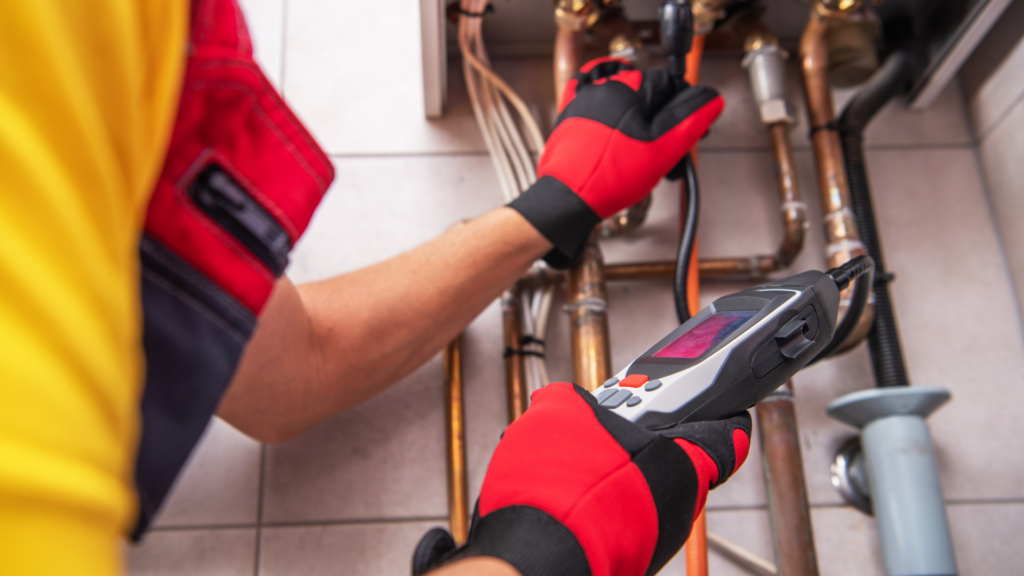
Lahaye Plumbing: 7 Signs Your Water Heater May Need Repair or Replacement Most homeowners don’t think much about their water heater until they turn on the shower and discover there’s no hot water. But water heaters often provide warning signs before they stop working completely. Recognizing those signs can give you time to have the system inspected and address problems before you’re unexpectedly left without hot water. Here are seven common signs that your water heater may need professional attention. 1. You’re Running Out of Hot Water Faster Does your shower turn cold much sooner than it used to? A noticeable reduction in available hot water can indicate that your water heater isn’t operating as effectively as it should. The cause can vary depending on the type of water heater, its condition, and its age. If your household’s hot water usage hasn’t changed but you’re suddenly running out faster, having the system inspected can help determine what’s happening. 2. Your Water Isn’t Getting Hot Enough Sometimes a water heater continues producing warm water but struggles to reach or maintain the expected temperature. You may notice: Lukewarm showers Inconsistent water temperatures Hot water that quickly becomes cold Longer waits for hot water Temperature problems can have several causes, and proper diagnosis is important before replacing components unnecessarily. 3. You Notice Water Around the Water Heater Water around a water heater should never be ignored. The source could be a connection, valve, drain, or the water heater itself. Even a small amount of water can eventually damage surrounding flooring, walls, or other areas of your home. If you notice unexplained moisture around your water heater, contact a plumber and have the source inspected. 4. The Water Heater Is Making Unusual Noises Some operating noise can be normal. New or unusually loud sounds, however, can indicate a problem. Homeowners sometimes describe: Popping Rumbling Banging Crackling Sediment and mineral accumulation inside a tank-style water heater can contribute to unusual noises and reduced efficiency. If your water heater suddenly sounds different, an inspection can help determine why. 5. Your Hot Water Looks Rusty or Discolored Discolored hot water can have several possible causes. If discoloration occurs primarily when you’re using hot water, the water heater or related plumbing may need to be inspected. Rust and corrosion shouldn’t be ignored, particularly when an older water heater is involved. A plumber can help determine whether the issue originates with the water heater or elsewhere in your home’s plumbing system. 6. Your Water Heater Is Getting Older Water heaters don’t last forever. Age alone doesn’t necessarily mean you need to immediately replace a working unit, but an older system deserves closer attention when problems begin appearing. If you’re frequently repairing an aging water heater, it may make more sense to discuss replacement rather than continuing to put money into repeated repairs. A professional plumber can inspect the condition of your system and help you understand your options. 7. You Keep Having Water Heater Problems One repair doesn’t necessarily mean your water heater needs replacement. Repeated problems are different. If you’re continually dealing with temperature issues, leaks, unusual noises, or other problems, it may be worth considering whether repair is still the most practical solution. The right decision depends on the condition and age of the water heater and the specific problem you’re experiencing. Should I Repair or Replace My Water Heater? There’s no single answer that applies to every home. Repair may make sense when the water heater is otherwise in good condition and the problem is limited to a repairable component. Replacement may be worth considering when the unit is older, leaking from the tank, experiencing significant deterioration, or requiring repeated repairs. Instead of guessing, have the system inspected. A professional plumber can identify the problem and explain whether repair or replacement makes the most sense for your situation. Don’t Wait Until You Have No Hot Water A water heater problem rarely happens at a convenient time. Paying attention to changes in your system can help you address problems before you’re dealing with an unexpected loss of hot water or water damage. If something doesn’t seem right, getting it checked early is usually the safer approach. Water Heater & Residential Plumbing Services From LaHaye Plumbing When something goes wrong with your home’s plumbing, you want someone who will identify the problem, explain your options, and perform the work correctly. LaHaye Plumbing provides professional residential plumbing services for homeowners in Champlin and throughout Minnesota’s Northwest Metro. From water heater and mechanical plumbing to kitchens, bathrooms, laundry rooms, remodeling, and gas lines, LaHaye Plumbing is committed to dependable service, honest communication, and quality workmanship. Think your water heater needs attention? Contact LaHaye Plumbing today to schedule plumbing service. Contact Us Today Contact Form Demo – Select a Service –BathroomKitchenMechanical & LaundryRemodelingGas Line ServicesSubmit Form Water Heater Not Working? • No Comments Lahaye Plumbing: 7 Signs Your Water Heater May Need Repair or Replacement Most homeowners don’t think much about their water heater until Read More » Why Is My Water Pressure Low? • No Comments Lahaye Plumbing: Why Is My Water Pressure Low? Low water pressure can turn simple everyday tasks into a hassle. Maybe your shower Read More »
Why Is My Water Pressure Low?
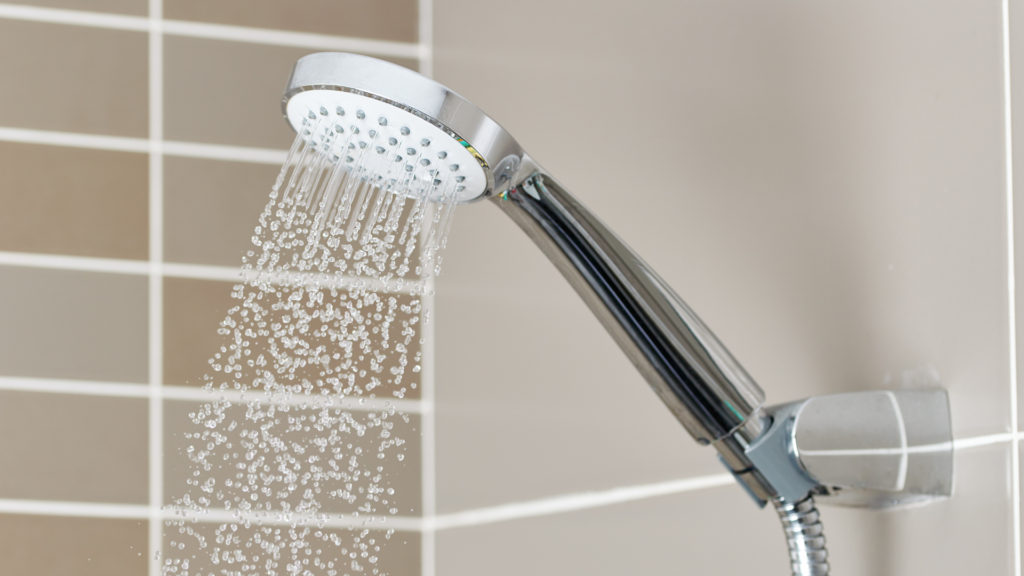
Lahaye Plumbing: Why Is My Water Pressure Low? Low water pressure can turn simple everyday tasks into a hassle. Maybe your shower suddenly feels weak, your kitchen faucet isn’t flowing like it used to, or the water pressure throughout your entire home seems lower than normal. Sometimes low water pressure has a simple explanation. Other times, it can be an early warning sign of a plumbing problem that should be inspected before it becomes more expensive. If you’re experiencing low water pressure in your Minnesota home, here’s what could be causing it and when it’s time to call a professional plumber. 1. A Clogged Faucet or Showerhead If the problem is happening at only one faucet or shower, the fixture itself may be the culprit. Mineral deposits and debris can gradually build up inside: Faucet aerators Showerheads Faucet cartridges Supply lines This buildup restricts the amount of water that can pass through the fixture. Removing and cleaning an aerator or showerhead may solve a minor problem. However, if multiple fixtures have poor pressure, the issue is probably somewhere else in your plumbing system. 2. A Partially Closed Water Valve Your home’s main water shutoff valve controls the water entering the house. If the valve isn’t completely open, it can reduce water pressure throughout the home. This sometimes happens after plumbing repairs or other work involving the home’s water supply. A partially closed fixture shutoff valve can also cause low pressure at an individual sink, toilet, or appliance. 3. A Hidden Plumbing Leak Low water pressure can sometimes indicate a leak. When water escapes from a damaged pipe before reaching your fixtures, you may notice reduced pressure along with other warning signs. Watch for: Unexpected increases in your water bill Damp areas on walls, ceilings, or floors Water stains Musty odors Sounds of running water when fixtures are turned off Unexplained moisture around the home Plumbing leaks shouldn’t be ignored. Even a relatively small leak can cause water damage over time. If you suspect a leak, having the plumbing inspected can help locate the source before the problem becomes more serious. 4. Mineral Buildup Inside Plumbing Minnesota homeowners may also experience plumbing issues related to mineral buildup. Over time, minerals can accumulate inside fixtures and plumbing components, restricting water flow. You may notice that the pressure gradually becomes worse rather than dropping suddenly. Depending on where the restriction is located, replacing or servicing the affected plumbing may restore proper flow. 5. A Water Pressure or Supply Problem Sometimes the problem isn’t isolated to a single fixture. If the entire home has low water pressure, there could be an issue involving the home’s water supply, pressure-regulating components, valves, or plumbing system. A professional plumber can determine whether the problem originates inside the home and identify the appropriate repair. Why Did My Water Pressure Suddenly Drop? A sudden change deserves attention, especially if your home’s water pressure was previously normal. Sudden low water pressure could be related to: A plumbing leak A valve problem A damaged plumbing component Work being performed on the local water system A problem affecting the home’s water supply Start by checking whether the problem affects one fixture or the entire house. If multiple fixtures suddenly have poor pressure and there isn’t an obvious explanation, contacting a plumber is a good next step. Is Low Water Pressure a Serious Plumbing Problem? Not always. A clogged showerhead isn’t the same as a leaking pipe. That’s why identifying the cause matters. You should consider professional plumbing service when: Water pressure suddenly changes Several fixtures have low pressure The problem continues getting worse You notice signs of leaking water Cleaning the affected fixture doesn’t solve the problem You’re unsure what’s causing the pressure loss Finding the cause early can help prevent a relatively manageable plumbing problem from turning into a larger repair. Need Help With Low Water Pressure? Call LaHaye Plumbing You shouldn’t have to guess what’s happening inside your plumbing system. LaHaye Plumbing provides dependable residential plumbing services for homeowners in Champlin and communities throughout Minnesota’s Northwest Metro. Whether you’re dealing with low water pressure, leaking plumbing, fixture problems, kitchen or bathroom plumbing, mechanical and laundry plumbing, remodeling needs, or gas line services, LaHaye Plumbing can help determine the cause and recommend the right solution. We believe homeowners deserve straightforward answers, quality workmanship, and plumbing work they can depend on. Experiencing low water pressure or another plumbing problem? Contact LaHaye Plumbing today to schedule residential plumbing service. Contact Us Today Contact Form Demo – Select a Service –BathroomKitchenMechanical & LaundryRemodelingGas Line ServicesSubmit Form Why Is My Water Pressure Low? • No Comments Lahaye Plumbing: Why Is My Water Pressure Low? Low water pressure can turn simple everyday tasks into a hassle. Maybe your shower Read More » How Do You Know If You Have a Gas Line Problem? Signs You Should Never Ignore • No Comments Lahaye Plumbing: How Do You Know If You Have a Gas Line Problem? Signs You Should Never Ignore Natural gas is used Read More »
How Do You Know If You Have a Gas Line Problem? Signs You Should Never Ignore
Lahaye Plumbing: How Do You Know If You Have a Gas Line Problem? Signs You Should Never Ignore Natural gas is used in many homes for heating, cooking, water heating, fireplaces, dryers, and other appliances. When the system is functioning correctly, homeowners may rarely think about the gas lines supplying those appliances. A suspected gas leak is different from an ordinary plumbing inconvenience. Potential gas leaks can create serious safety hazards and should be treated accordingly. Knowing the signs of a gas line problem and understanding what to do can help you respond appropriately. What Are Common Signs of a Possible Gas Leak? Natural gas is naturally odorless, but utilities add an odorant to make leaks easier to detect. People often describe the resulting smell as similar to rotten eggs or sulfur. Other potential warning signs around gas equipment or piping can include: A noticeable sulfur or rotten-egg odor Hissing near a gas line or appliance Visible damage to gas piping Problems with gas appliances Dead or damaged vegetation near an underground line Unusual conditions around gas equipment A suspected leak isn’t something homeowners should attempt to diagnose by experimenting with appliances or connections. What Should You Do If You Smell Gas? If you strongly suspect a gas leak, prioritize safety. Leave the affected area and follow the emergency guidance provided by your gas utility and local authorities. Contact the appropriate emergency or utility service from a safe location. Avoid actions that could create an ignition source. Do not stay inside trying to locate the exact leak yourself. Once the immediate safety concern has been handled and the appropriate authorities or utility have determined it is safe to proceed, qualified professionals can address necessary repairs. What Can Cause Gas Line Problems? Gas piping and connections can develop problems for several reasons. Age, corrosion, physical damage, installation issues, remodeling work, and problems around appliance connections can all potentially affect a system. Gas line work should be taken seriously because the consequences of improper installation or repair can be much greater than a dripping water connection. If you see visible damage or have concerns about existing gas piping, have it professionally evaluated. Gas Lines May Be Needed for New Appliances Gas line services aren’t only for repairs. Homeowners may need new or modified gas piping when installing or relocating certain appliances. Depending on the home and equipment, gas service may be required for: Ranges and cooktops Clothes dryers Water heaters Furnaces Fireplaces Other approved gas appliances Installing an appliance isn’t simply a matter of placing it in the room. The gas supply must be appropriately planned and connected for the equipment. Can You Move a Gas Line During Remodeling? Remodeling can sometimes require gas lines to be relocated or modified. For example, a homeowner redesigning a kitchen may want to move a gas range to a different wall. Another homeowner may be remodeling a laundry room and relocating a gas dryer. These decisions should be discussed early in the project. Moving the appliance means its utility connections may need to move as well. Planning before walls, cabinets, flooring, and finishes are completed can prevent unnecessary complications. Why Professional Gas Line Installation Matters Gas piping isn’t an area where homeowners should improvise. Proper materials, connections, sizing, routing, testing, and applicable code requirements all matter. Professional gas line service helps ensure the work is appropriate for the intended application. A qualified professional can evaluate factors such as: Existing gas supply Appliance requirements Pipe routing Connections Shutoff locations Existing system condition Applicable installation requirements The exact needs depend on the property and appliance. Should an Old Gas Line Be Inspected? If you’re concerned about the condition of existing gas piping, especially during remodeling or appliance replacement, having it evaluated can be worthwhile. You may notice corrosion, physical damage, unusual appliance behavior, or another condition that raises questions. Don’t disturb questionable gas piping simply to see whether it is secure. Have someone qualified to work on gas lines inspect it. Gas Appliance Problems Aren’t Always Gas Line Problems If a gas appliance stops operating correctly, that doesn’t automatically mean the supply line has failed. The appliance itself could have a problem. Likewise, a functioning appliance doesn’t mean you should ignore a strong gas odor or other obvious warning sign. The safest approach is to treat potential gas leaks seriously and have the appropriate professionals determine the source. When Might You Need Gas Line Services? Professional gas line work may be needed during several types of home projects. Common reasons include: Installing a new gas appliance Relocating an existing appliance Remodeling a kitchen or laundry room Replacing damaged gas piping Modifying an existing gas line Addressing a professionally identified gas line problem Planning ahead is especially important when gas work is part of a larger remodeling project. Don’t Ignore a Suspected Gas Leak A clogged drain is inconvenient. A dripping faucet can waste water. A suspected gas leak is a different type of problem and deserves an immediate safety-focused response. If you smell gas or believe an active leak may be present, leave the area and contact your gas utility or appropriate emergency service from a safe location. Don’t remain inside waiting for a plumbing appointment. For planned gas line installations, modifications, and repairs after the area has been made safe, professional workmanship is essential. LaHaye Plumbing provides gas line services for homeowners who need professional installation, modification, or repair of gas piping for appropriate residential applications. Contact LaHaye Plumbing to discuss planned gas line work, appliance connections, remodeling needs, or concerns with existing gas piping. Contact Us Today Contact Form Demo – Select a Service –BathroomKitchenMechanical & LaundryRemodelingGas Line ServicesSubmit Form y Is My Water Pressure Low? • No Comments Lahaye Plumbing: How Do You Know If You Have a Gas Line Problem? Signs You Should Never Ignore Natural gas is used Read More » How Do You Know If You Have a Gas Line Problem? Signs You Should Never Ignore • No Comments Lahaye
Do You Need a Plumber for a Bathroom or Kitchen Remodel?
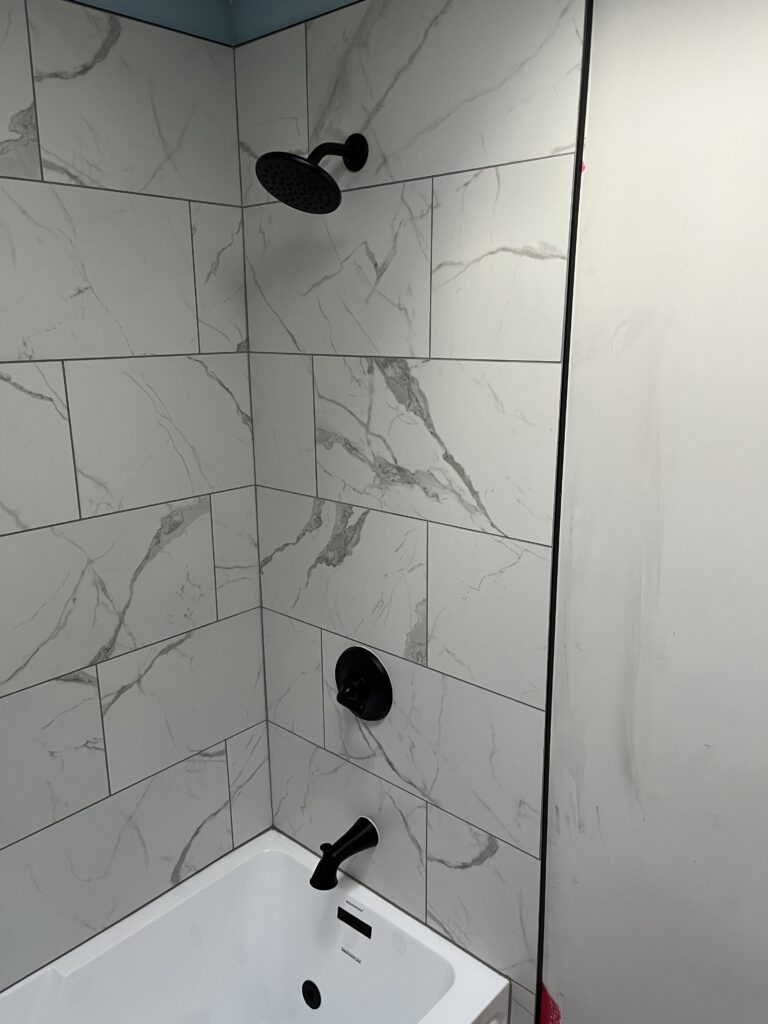
Lahaye Plumbing: Do You Need a Plumber for a Bathroom or Kitchen Remodel? A bathroom or kitchen remodel can completely change how your home looks and functions. But behind the cabinets, countertops, tile, and new fixtures is something just as important: plumbing. If you’re changing sinks, faucets, showers, tubs, toilets, appliances, or the layout of the room, there’s a good chance a professional plumber should be involved. So, do you need a plumber for a bathroom or kitchen remodel? For many remodeling projects, the answer is yes. Why Is Plumbing Important During Remodeling? Existing bathrooms and kitchens are designed around their plumbing. Water supply lines and drains are already positioned to serve specific fixtures. When you begin changing the layout, those existing locations can affect what is possible and how much work the remodel requires. Moving a sink a few feet may look simple on a drawing, but the water supply and drainage system also need to accommodate the new location. That’s why plumbing should be considered during the planning stage rather than after the cabinets and finishes have already been ordered. What Bathroom Remodeling Projects Need a Plumber? Minor cosmetic updates may not involve plumbing at all. Painting the bathroom or replacing a mirror is very different from installing a new shower. A plumber may be needed when your remodel involves: Moving a toilet Installing a new toilet Replacing or relocating a vanity Moving a sink Installing new faucets Replacing a bathtub Installing or changing a shower Relocating water or drain lines The more the layout changes, the more important plumbing planning becomes. Should You Move Plumbing During a Bathroom Remodel? You can redesign a bathroom, but moving plumbing generally creates additional work compared with keeping fixtures in their existing locations. That doesn’t mean you should never move anything. If changing the layout significantly improves the room, relocating plumbing may be worthwhile. The important thing is understanding what the change requires before committing to the final design. A plumber can evaluate the existing system and explain what would be involved in moving fixtures. What About Kitchen Remodeling? Kitchens have their own plumbing considerations. The sink is obvious, but dishwashers, garbage disposals, refrigerators, and other features can also interact with plumbing. If you’re redesigning the kitchen, consider plumbing before finalizing cabinetry and appliance locations. Kitchen plumbing work may include: Sink installation or relocation Faucet installation Drain modifications Dishwasher connections Garbage disposal plumbing Water supply changes Refrigerator water connections Shutoff valves Planning these details early helps the plumbing and kitchen design work together. Should the Plumber Come Before or After Cabinets? This depends on the project, but plumbing planning should happen early. If supply and drain locations need to change, much of that work generally needs to be coordinated before the finished room is completed. Waiting until cabinets, countertops, tile, or other finishes are installed can make plumbing changes more difficult. A remodeling project involves multiple trades, and the order of work matters. Your plumber may need to coordinate with contractors handling demolition, cabinetry, electrical work, flooring, or other parts of the remodel. Remodeling Is a Good Time to Inspect Older Plumbing Opening walls and removing old fixtures can reveal plumbing that hasn’t been visible for years. If the existing plumbing has deterioration or other problems, remodeling may provide an opportunity to address them before everything is covered again. Depending on what’s accessible, a plumber may identify: Corroded components Old valves Leaking connections Previous repairs Deteriorated piping Plumbing that needs modification for the new layout Finding a problem during remodeling is usually preferable to discovering it after new finishes are installed. Don’t Choose Fixtures Without Considering Plumbing That beautiful sink, tub, or faucet still has to work with your plumbing system. Before purchasing major fixtures, make sure they are appropriate for the planned installation. Consider dimensions, connections, placement, and compatibility. This becomes especially important with major layout changes or specialty fixtures. Your plumber and remodeling contractor can help identify potential installation concerns before materials are ordered. What Should You Discuss With Your Plumber? Give your plumber as much information as possible about the project. Useful questions include: Can my existing plumbing support this layout? What needs to be relocated? Should any old plumbing be replaced while the walls are open? Where should shutoff valves be located? Will my selected fixtures work with the design? When should plumbing work happen in the project? What plumbing work needs to be completed before finishes? Early conversations can prevent expensive changes later. Bathroom and Kitchen Remodeling Should Be Planned as a System A successful remodel isn’t just about creating a beautiful room. The room needs to work properly after construction is finished. A bathroom with beautiful tile but poorly planned plumbing isn’t a successful remodel. Neither is a new kitchen where plumbing locations interfere with cabinets or appliances. Design, construction, and plumbing need to work together. Planning a Bathroom or Kitchen Remodel? If your remodeling project involves sinks, toilets, showers, tubs, faucets, appliances, water lines, or drains, involve a plumber before the project gets too far. Professional plumbing planning can help you understand what the existing system can accommodate and what changes are required for your new design. LaHaye Plumbing provides plumbing services for bathroom, kitchen, and other home remodeling projects. Contact LaHaye Plumbing while planning your remodel so the plumbing behind your new space works as well as everything you can see. Contact Us Today Contact Form Demo – Select a Service –BathroomKitchenMechanical & LaundryRemodelingGas Line ServicesSubmit Form y Is My Water Pressure Low? • No Comments Lahaye Plumbing: How Do You Know If You Have a Gas Line Problem? Signs You Should Never Ignore Natural gas is used Read More » How Do You Know If You Have a Gas Line Problem? Signs You Should Never Ignore • No Comments Lahaye Plumbing: How Do You Know If You Have a Gas Line Problem? Signs You Should Never Ignore Natural gas is used Read More »
Why Is My Washing Machine Drain Backing Up or Overflowing?
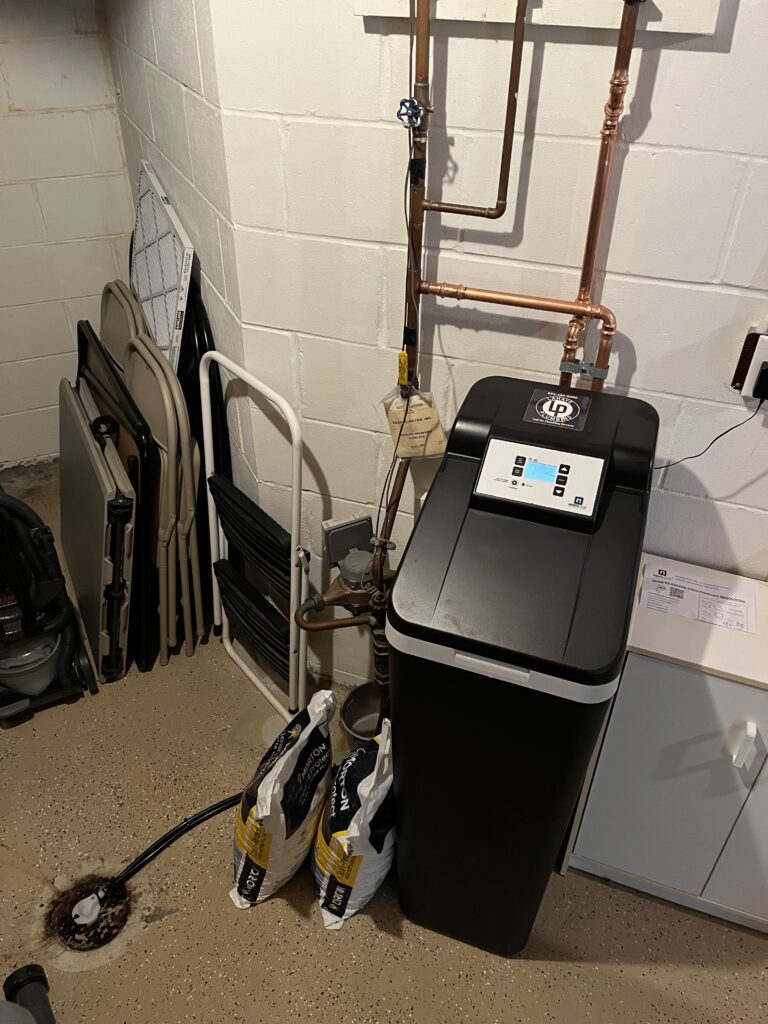
Lahaye Plumbing: Why Is My Washing Machine Drain Backing Up or Overflowing? You start a load of laundry and walk away. A few minutes later, you discover water around the washing machine or hear the drain making unusual sounds. A washing machine drain backing up or overflowing can quickly create a mess because washers discharge a significant amount of water during their cycles. Sometimes the problem involves the washing machine. Other times, the real issue is the plumbing that carries wastewater away. Understanding the difference can help you determine when you need appliance service and when it’s time to call a plumber. Why Does My Washing Machine Drain Overflow? A washing machine pumps water out relatively quickly. Your laundry drain needs to accept that water and move it through the drainage system. If the pipe is partially or completely restricted, water may begin rising faster than it can drain. Eventually, it can overflow. Common causes may include: Buildup inside the drain A partially clogged drainpipe Problems with the standpipe A blockage farther down the drainage system Improper laundry drain configuration A professional plumber can evaluate the drainage side of the system to determine what’s preventing normal flow. Watch the Drain While the Washer Runs You should never reach into equipment or attempt unsafe repairs, but observing what happens during the drain cycle can provide useful information. Does water immediately overflow? Does the drain gurgle first? Does it handle some water before backing up? Does another nearby fixture react when the washer drains? These details can help determine whether the problem is localized or may involve more of the home’s drainage system. What Are the Signs of a Clogged Laundry Drain? A complete overflow is obvious, but partial restrictions can provide warning signs beforehand. You may notice: Gurgling from the drain Water rising inside the standpipe Slow drainage Unpleasant drain odors Water around the washing machine Backups during certain wash cycles If these symptoms are becoming more frequent, don’t wait for a major overflow before investigating. Could the Washing Machine Hose Be the Problem? Laundry rooms contain both supply and drainage connections. A puddle around the washing machine doesn’t automatically mean the drain overflowed. Water can potentially come from supply hoses, valves, connections, the washing machine itself, or the drainage system. Look at where the water first appears without moving or disconnecting equipment unnecessarily. A plumber can inspect plumbing connections and determine whether the problem originates from the home’s piping or another component. Don’t Ignore Washing Machine Supply Lines Your washing machine needs hot and cold water connections, and those connections remain important even when the appliance isn’t actively filling. Inspect accessible hoses and valves occasionally for obvious deterioration. Watch for: Cracking Bulging Corrosion Damp connections Slow dripping Water stains Damaged valves A small amount of moisture around a connection deserves attention because laundry equipment often sits near finished walls and flooring. Why Does Another Drain Gurgle When the Washer Runs? This is an especially useful symptom to mention to your plumber. If a nearby sink or another plumbing fixture gurgles when the washing machine drains, the issue may involve more than the washer connection itself. Because multiple fixtures can share parts of a drainage system, problems farther downstream can sometimes create symptoms in more than one location. Don’t assume that clearing the washer’s immediate drain will solve a problem affecting multiple fixtures. Laundry Room Plumbing During a Remodel Laundry rooms have become more functional spaces in modern homes. Homeowners may relocate washers and dryers, add utility sinks, install cabinetry, or redesign the entire laundry area. If you’re changing the location of plumbing fixtures or appliances, involve a plumber early. A laundry remodeling project may require consideration of: Hot and cold water supplies Drain placement Utility sink plumbing Shutoff valves Appliance connections Existing plumbing locations Planning the plumbing before cabinetry, flooring, and finishes are completed can prevent unnecessary changes later. Can I Fix a Washing Machine Drain Myself? Some homeowners are comfortable performing basic maintenance, but recurring or significant drain backups deserve professional diagnosis. The goal isn’t simply to make the water disappear once. You want to know why the drain backed up. If the obstruction is deeper in the drainage system, repeatedly addressing only the visible opening may not provide a lasting solution. When Should You Call a Laundry Room Plumber? Call for professional plumbing service when a laundry drainage problem is persistent, severe, or affecting other fixtures. Examples include: The drain repeatedly overflows Water is damaging the surrounding area Multiple drains are slow Other fixtures gurgle when the washer drains Supply valves are leaking Plumbing connections show deterioration You’re remodeling or relocating laundry equipment A plumber can inspect the water and drainage connections and recommend an appropriate repair. Keep Your Laundry Plumbing Working Properly Your washing machine depends on plumbing every time you run a load. If drainage problems, leaking valves, or damaged connections develop, waiting can increase the chance of water reaching surrounding materials. LaHaye Plumbing provides laundry and mechanical plumbing services, including plumbing connections, drain problems, valves, and plumbing for laundry remodeling projects. If your washing machine drain is backing up, overflowing, or showing other signs of a plumbing problem, contact LaHaye Plumbing for professional service. Contact Us Today Contact Form Demo – Select a Service –BathroomKitchenMechanical & LaundryRemodelingGas Line ServicesSubmit Form y Is My Water Pressure Low? • No Comments Lahaye Plumbing: How Do You Know If You Have a Gas Line Problem? Signs You Should Never Ignore Natural gas is used Read More » How Do You Know If You Have a Gas Line Problem? Signs You Should Never Ignore • No Comments Lahaye Plumbing: How Do You Know If You Have a Gas Line Problem? Signs You Should Never Ignore Natural gas is used Read More »
What Are the Most Common Home Plumbing Problems That Need a Professional Plumber?

Lahaye Plumbing: What Are the Most Common Home Plumbing Problems That Need a Professional Plumber? Plumbing problems have a habit of appearing when they’re least convenient. A faucet begins leaking before guests arrive. A drain suddenly stops working. Water pressure changes without explanation. Sometimes the problem is obvious, but many plumbing issues require more than replacing a simple fixture. Knowing when to call a professional plumber can help homeowners avoid turning a manageable repair into a more complicated plumbing problem. Some Plumbing Problems Are More Than Minor Annoyances A home’s plumbing system includes supply piping, drainage, valves, fixtures, and mechanical components that work together. When one part isn’t operating correctly, symptoms may appear somewhere else. Common reasons homeowners call a plumber include: Water leaks Low or inconsistent water pressure Repeated drain clogs Running toilets Leaking valves Fixture problems Unusual plumbing noises Water where it shouldn’t be The important question isn’t simply whether something is broken. It’s determining why it happened. Hidden Water Leaks Need Attention A visible dripping pipe makes the source relatively easy to identify. Hidden leaks can be more difficult. Water may travel behind drywall, underneath flooring, through cabinets, or along pipes before becoming visible. Homeowners should pay attention to unexplained changes around the house. A water stain that continues growing, a cabinet that remains damp, or a sudden musty odor could indicate moisture somewhere nearby. Other possible warning signs include bubbling paint, warped materials, unexplained water usage, or sounds of running water when fixtures aren’t being used. Why Does My Water Pressure Keep Changing? Consistent water pressure is something most homeowners don’t think about until it changes. If one faucet has weak flow, the problem may be limited to the fixture. If pressure has changed throughout the house, a larger plumbing issue could be involved. Potential causes can vary significantly, which is why diagnosing pressure problems requires looking at the overall system. A plumber may evaluate valves, fixtures, supply piping, and other components to determine where the restriction or pressure issue originates. Repeated Drain Clogs Can Indicate a Larger Problem An occasional clogged sink isn’t unusual. A drain that becomes clogged repeatedly deserves more attention. If several drains begin slowing down around the same time, the problem may not be located directly underneath one sink. Watch for: Multiple slow drains Recurring backups Gurgling sounds Unusual drain odors Water appearing in another fixture Toilets behaving differently when other fixtures drain These symptoms can provide valuable information about where a drainage issue may be occurring. Mechanical Plumbing Components Need Maintenance Too Many homes contain plumbing-related mechanical equipment that homeowners depend on every day. These systems have valves, connections, piping, and other components that can eventually need professional attention. Rather than waiting until a mechanical plumbing component completely stops working, pay attention to changes in performance. Unusual noises, leaks, inconsistent operation, corrosion around connections, or visible deterioration are all good reasons to investigate. Leaking Valves and Supply Lines Shouldn’t Be Forgotten Some plumbing components stay hidden underneath sinks, behind toilets, or near appliances for years. Because they’re rarely touched, homeowners may not notice deterioration until water appears. Periodically look underneath sinks and around accessible plumbing connections. You don’t need to disassemble anything. Simply checking for moisture, corrosion, staining, or dripping can help you catch obvious problems earlier. Areas worth occasionally checking include: Under kitchen sinks Under bathroom vanities Around toilets Near laundry connections Around mechanical plumbing equipment Near exposed shutoff valves Finding moisture doesn’t necessarily tell you the cause, but it gives you a reason to have the area evaluated. Strange Plumbing Noises Can Provide Useful Clues Your plumbing doesn’t have to be completely silent, but new or unusual noises are worth noticing. Banging, rattling, gurgling, whistling, or continuously running water can indicate different plumbing conditions. The sound alone isn’t enough to diagnose the problem. Pay attention to when it happens. Does the noise occur after flushing a toilet? When the washing machine runs? When you turn off a faucet? That information can help a plumber narrow down the cause. When Is a Plumbing Problem an Emergency? Not every plumbing repair requires immediate emergency service. However, uncontrolled water can cause damage quickly. If a pipe is actively releasing a significant amount of water, shutting off the appropriate water supply—when it can be done safely—and contacting a plumber should be a priority. Situations that deserve faster attention may include major active leaks, overflowing fixtures that cannot be stopped, significant water intrusion, or other problems that threaten the property. Preventive Attention Can Save Frustration You don’t need to inspect every pipe in your home every week. Simply knowing what normal plumbing looks and sounds like makes it easier to notice changes. Don’t ignore repeated symptoms simply because they temporarily disappear. A clog that returns every month, a valve that occasionally drips, or water pressure that continues getting worse is telling you something about the plumbing system. Need a Professional Plumber? Plumbing problems range from straightforward fixture repairs to issues involving multiple parts of the home’s water and drainage systems. The best solution starts with correctly identifying the cause. LaHaye Plumbing provides professional plumbing services for homeowners dealing with leaks, drains, fixtures, mechanical plumbing, installations, and other plumbing needs. If something in your plumbing system isn’t operating correctly, contact LaHaye Plumbing to have the problem inspected and discuss your repair options. Contact Us Today Contact Form Demo – Select a Service –BathroomKitchenMechanical & LaundryRemodelingGas Line ServicesSubmit Form y Is My Water Pressure Low? • No Comments Lahaye Plumbing: How Do You Know If You Have a Gas Line Problem? Signs You Should Never Ignore Natural gas is used Read More » How Do You Know If You Have a Gas Line Problem? Signs You Should Never Ignore • No Comments Lahaye Plumbing: How Do You Know If You Have a Gas Line Problem? Signs You Should Never Ignore Natural gas is used Read More »
Why Is My Kitchen Sink Backing Up? Common Causes and When to Call a Plumber

Lahaye Plumbing: Why Is My Kitchen Sink Backing Up? Common Causes and When to Call a Plumber A kitchen sink that suddenly stops draining can bring meal preparation and cleanup to a halt. Sometimes the warning signs begin days or weeks earlier. Water takes a little longer to drain. You hear gurgling from the sink. An unpleasant smell appears around the drain. Eventually, you turn on the faucet and discover that the water isn’t going anywhere. If your kitchen sink is backing up, there is usually a reason. Finding the cause is more important than repeatedly trying temporary solutions. What Causes a Kitchen Sink to Back Up? Kitchen drains handle more than water. Small amounts of food, grease, soap, oils, and other debris can enter the plumbing during normal kitchen use. Over time, materials may accumulate inside the drainage system and restrict water flow. Common causes include: Grease and cooking oil Food debris Soap residue Garbage disposal problems Buildup inside the drain A blockage farther down the drain line The location and severity of the blockage determine how the sink behaves. Grease Can Create Serious Drain Buildup Pouring liquid grease down the drain may seem harmless because it disappears immediately. The problem occurs after it cools. Grease and fats can stick to the inside of drain piping. Additional food particles and debris may then collect on that material, gradually restricting the pipe. Instead of treating your kitchen drain like a wastebasket, avoid sending large quantities of grease, oil, coffee grounds, food scraps, and other problematic materials through it. Even a garbage disposal doesn’t make every type of food safe for your plumbing. Why Is My Kitchen Sink Draining Slowly? A slow drain can be the beginning of a larger blockage. Water should normally leave the sink without collecting for extended periods. If drainage is becoming progressively slower, buildup may already be restricting the pipe. You might also notice gurgling sounds or unpleasant odors coming from the drain. Addressing the issue while the sink still drains may be easier than waiting until the pipe becomes completely blocked. Can a Garbage Disposal Cause My Sink to Back Up? Because the garbage disposal connects directly to the kitchen drainage system, a problem with the disposal can affect how the sink drains. A disposal may become jammed, clogged, or stop operating correctly. Warning signs include: Humming without normal operation Water draining slowly Water standing in the sink Unusual noises Persistent odors Water leaking beneath the sink Never put your hand inside a garbage disposal to investigate a problem. If the disposal and sink aren’t functioning normally, a plumber can inspect both the appliance connections and drainage system. Why Does Water Come Up the Other Side of a Double Sink? If you have a double-basin kitchen sink, water appearing in the opposite basin is an important clue. The two sinks typically share part of the same drainage system. When a blockage occurs beyond the point where the drains connect, water may have nowhere else to go and can move into the other basin. That usually indicates a drain problem rather than a problem with the sink basin itself. What If My Dishwasher Causes the Sink to Back Up? Your dishwasher also interacts with your kitchen plumbing. If the sink fills with water when the dishwasher drains, something may be preventing wastewater from moving through the system correctly. The problem could involve the kitchen drain, garbage disposal connection, dishwasher drain setup, or another restriction. Rather than assuming the dishwasher itself has failed, have the drainage system evaluated. Should I Use Chemical Drain Cleaner? A bottle of drain cleaner is tempting when you want the sink working immediately. However, chemical products aren’t guaranteed to remove the actual obstruction. Depending on the type of blockage and plumbing system, they may provide little more than a temporary improvement. Repeated drain problems usually deserve further investigation. A professional plumber can determine where the blockage is located and select an appropriate method to clear it. When Should You Call a Kitchen Plumber? A minor drainage problem doesn’t always require emergency service. But some symptoms indicate that professional attention is a good idea. Consider calling a plumber when: The sink doesn’t drain at all The blockage repeatedly returns Both sides of a double sink back up Water backs up while the dishwasher runs You discover leaking underneath the sink Multiple drains in the home are slow The garbage disposal and drain aren’t functioning correctly These symptoms provide clues about whether you’re dealing with a simple localized clog or a larger plumbing issue. Kitchen Plumbing Includes More Than Drains A kitchen plumber can also help with other plumbing fixtures and connections. Kitchen plumbing services may include faucets, sinks, supply lines, shutoff valves, garbage disposal connections, dishwasher plumbing, and other water or drainage components. If you’re remodeling your kitchen, involving a plumber early can also help ensure new fixtures and appliances are properly connected. Get Your Kitchen Working Normally Again A clogged kitchen sink is inconvenient, but repeatedly clearing the same blockage without finding the cause can be even more frustrating. Pay attention to early symptoms such as slow drainage, gurgling, odors, and water appearing in the opposite basin. If your kitchen plumbing isn’t operating correctly, LaHaye Plumbing can diagnose drain, fixture, and plumbing problems and help determine the appropriate repair. Contact LaHaye Plumbing when your kitchen sink, faucet, drain, garbage disposal connection, or other kitchen plumbing needs professional attention. Contact Us Today Contact Form Demo – Select a Service –BathroomKitchenMechanical & LaundryRemodelingGas Line ServicesSubmit Form y Is My Water Pressure Low? • No Comments Lahaye Plumbing: How Do You Know If You Have a Gas Line Problem? Signs You Should Never Ignore Natural gas is used Read More » How Do You Know If You Have a Gas Line Problem? Signs You Should Never Ignore • No Comments Lahaye Plumbing: How Do You Know If You Have a Gas Line Problem? Signs You Should Never Ignore Natural gas is used Read More
When Should You Call a Plumber for a Bathroom Leak?

Lahaye Plumbing: When Should You Call a Plumber for a Bathroom Leak? A small bathroom leak can be easy to ignore. A faucet drips occasionally, a little water appears near the toilet, or the shower seems to drain more slowly than it used to. If everything still works, you may assume the problem can wait. Unfortunately, plumbing problems don’t always stay small. Bathrooms contain numerous water connections, fixtures, supply lines, valves, and drains. A leak that appears minor from the outside may be allowing water into cabinets, flooring, walls, or other areas you cannot easily see. Knowing when to call a plumber for a bathroom leak can help you address the source before additional damage occurs. What Are the Most Common Bathroom Plumbing Problems? Bathrooms are among the most frequently used areas of a home, so normal wear eventually affects plumbing fixtures and components. Some problems are obvious, while others develop gradually. Common bathroom plumbing problems include: Dripping faucets Running or leaking toilets Slow sink drains Clogged shower and tub drains Leaking supply lines Low water pressure Shower valve problems Water around the base of a toilet Leaks underneath sinks Seeing one of these problems doesn’t automatically mean you’re facing a major plumbing repair. It does mean you should determine why it’s happening. Water Around the Toilet Shouldn’t Be Ignored If water repeatedly appears around the base of your toilet, don’t assume it’s simply water from the shower or condensation. A toilet has multiple locations where a leak can potentially develop. The supply line, shutoff valve, tank components, and seal around the toilet can all be possible sources. Wipe the area dry and see whether the water returns. If it does, a plumber can determine where it’s coming from. Water that repeatedly reaches the floor can eventually affect flooring and materials underneath the toilet, making early diagnosis important. Why Does My Toilet Keep Running? A toilet that continues running after it has been flushed may seem more annoying than serious, but it can waste water. The problem often involves one or more components inside the toilet tank. These can include the: Flapper Fill valve Float Flush valve Chain or handle mechanism Sometimes a simple adjustment solves the problem. In other cases, worn components need replacement. If your toilet periodically turns itself on even when nobody has used it, water may be slowly escaping from the tank. When Is a Dripping Faucet a Plumbing Problem? An occasional drop left on a faucet after use is normal. A faucet that continuously drips when fully turned off isn’t. Faucets contain seals and moving components that wear with use. Depending on the fixture, the cause could involve a cartridge, washer, O-ring, valve, or another internal component. A dripping faucet isn’t just irritating. It can also waste water over time. If you have to force the handle tightly closed to stop the dripping, consider having the fixture inspected rather than continually applying more pressure to it. Slow Bathroom Drains Can Be an Early Warning Bathroom drains frequently collect hair, soap residue, personal care products, and other debris. The first symptom may simply be water taking longer to disappear. Over time, you may notice standing water in the shower or sink, unpleasant drain odors, or a drain that stops working altogether. A single slow drain may indicate a localized blockage. If several fixtures are draining slowly at the same time, the problem could involve a larger portion of the drainage system. Watch for Hidden Signs of Bathroom Leaks Not every plumbing leak creates a puddle. Some of the more important warning signs appear away from the actual pipe or fixture. Look for changes such as: Discoloration on walls or ceilings Bubbling or peeling paint Swollen cabinets Soft flooring Persistent dampness Unexplained musty odors Water stains below an upstairs bathroom These symptoms deserve attention because water can travel before it becomes visible. Simply repairing or repainting the damaged surface doesn’t solve the problem if plumbing is still leaking behind it. Why Did My Bathroom Water Pressure Suddenly Drop? A noticeable change in water pressure can have several explanations. If only one faucet has low pressure, the problem may be limited to that fixture. Mineral buildup or a fixture component could be restricting water flow. If several fixtures suddenly have pressure problems, further investigation may be appropriate. A plumber can determine whether the issue involves the fixture, valve, supply piping, or another part of the plumbing system. Should You Repair or Replace a Bathroom Fixture? Not every leaking faucet or troublesome toilet needs to be replaced. If the fixture is relatively new and replacement parts are readily available, repair may be the most practical option. Replacement becomes more attractive when a fixture is older, damaged, inefficient, difficult to repair, or already experiencing repeated problems. Homeowners may also choose replacement when: They’re already remodeling the bathroom The existing fixture is outdated Repair parts are difficult to obtain The fixture has multiple problems They want a different style or function A plumber can explain whether the problem appears repairable before you invest in a completely new fixture. Don’t Wait for a Small Leak to Become a Large One The best time to address a bathroom plumbing problem is usually before water begins causing damage elsewhere. A dripping faucet, running toilet, slow drain, or small leak may not require a major repair. Identifying the problem early simply gives you more options. If something in your bathroom doesn’t look, sound, or operate normally, LaHaye Plumbing can inspect the problem and recommend an appropriate solution. Contact LaHaye Plumbing for bathroom plumbing repairs, fixture installation, leak diagnosis, and other bathroom plumbing services. Contact Us Today Contact Form Demo – Select a Service –BathroomKitchenMechanical & LaundryRemodelingGas Line ServicesSubmit Form y Is My Water Pressure Low? • No Comments Lahaye Plumbing: How Do You Know If You Have a Gas Line Problem? Signs You Should Never Ignore Natural gas is used Read More » How Do You Know If You Have a Gas Line Problem?